

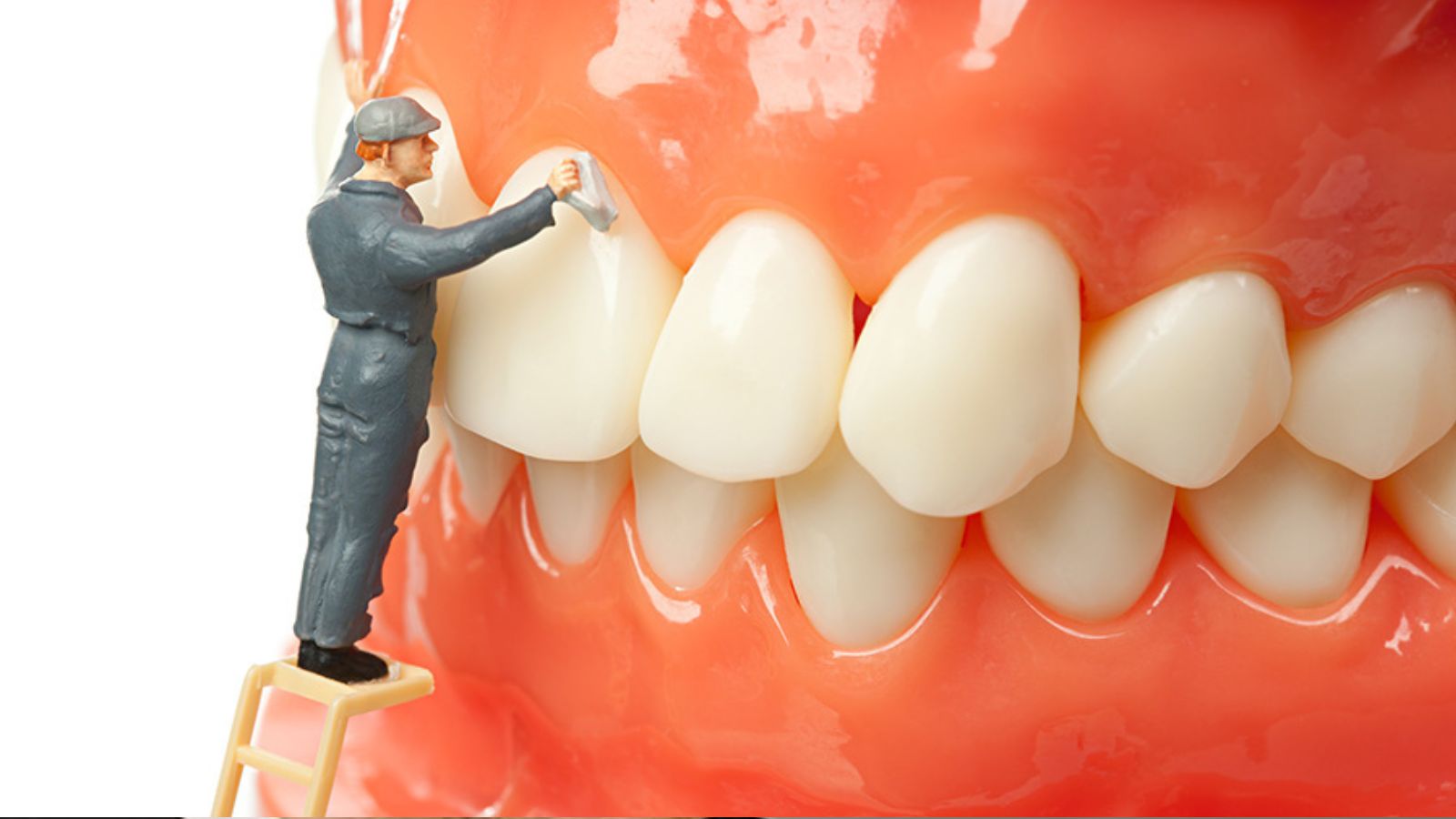
If you’ve ever wondered, “How long does a dental cleaning take?”, you’re not alone. Dental cleanings are one of the most common preventive dental procedures, yet many patients are unsure what to expect in terms of time, process, and benefits. Understanding the duration of a dental cleaning can help you plan your visit and feel more comfortable in the dental chair.
In this article, we’ll cover the dental cleaning process, different types of cleanings, factors that affect cleaning time, and the many advantages of keeping your teeth professionally cleaned.
Why Should You Have Your Teeth Cleaned?
Professional dental cleanings are essential for maintaining healthy teeth and gums. Even with excellent brushing and flossing habits, plaque and tartar can build up in hard-to-reach areas of the mouth.
Benefits of regular dental cleanings include:
- Preventing tooth decay
- Reducing the risk of gum disease
- Detecting oral health problems early
- Removing stains and tartar buildup
- Improving breath and smile appearance
Dentists generally recommend having your teeth cleaned every six months, though some patients may need more frequent visits.
Dental Cleaning Process
Understanding the dental cleaning process can make your appointment feel more predictable and stress-free.
Step 1: Oral Examination
The dental hygienist begins with a visual exam using a small mirror to check for:
- Cavities
- Gum inflammation
- Plaque and tartar buildup
- Signs of oral disease
If major issues are detected, the dentist may be consulted before proceeding.
Step 2: Plaque and Tartar Removal
Using specialized tools, the hygienist removes plaque and hardened tartar from around the teeth and gumline. You may hear scraping sounds, which are normal.
This step usually takes the longest, especially if tartar buildup is significant.
Step 3: Professional Teeth Polishing
After plaque removal, your teeth are polished using a gritty toothpaste and an electric brush. This step removes surface stains and smooths the enamel.
Step 4: Flossing and Rinsing
The hygienist flosses between your teeth to remove debris and ensure thorough cleaning. A rinse follows to clear out loosened particles.
Step 5: Fluoride Treatment (Optional)
Some cleanings include a fluoride treatment to strengthen enamel and prevent cavities. This step adds only a few minutes to the appointment.
Different Types of Dental Cleanings
Not all dental cleanings are the same. The type you need affects how long the cleaning will take.
1. Prophylaxis (Routine Dental Cleaning)
- For patients with healthy gums
- Removes plaque and tartar above the gumline
- Takes 30–60 minutes
2. Scaling and Root Planing (Deep Cleaning)
- For patients with gum disease
- Cleans below the gumline
- Often requires multiple visits
- Takes 90 minutes or longer per session
3. Periodontal Maintenance Cleaning
- For patients with a history of gum disease
- More thorough than routine cleaning
- Takes 45–75 minutes
4. Gross Debridement Cleaning
- For heavy tartar buildup
- Performed before a routine cleaning
- Takes 60 minutes or more
How Long Does It Take to Have a Dental Cleaning?
The average dental cleaning takes 45 minutes, but the time varies depending on several factors.
Factors That Affect Dental Cleaning Time
- Amount of plaque and tartar
- Gum health
- Type of cleaning required
- Time since last cleaning
- Oral hygiene habits
- Whether X-rays are needed
Patients who attend regular cleanings usually finish faster than those who haven’t had a cleaning in years.
Why Is Dental Cleaning Taking So Long?
If your dental cleaning seems to take longer than expected, it’s usually for good reasons.
Common Reasons for Longer Dental Cleanings
- Heavy tartar buildup
- Gum disease or bleeding gums
- Deep pockets around teeth
- Additional preventive treatments
- Patient sensitivity or discomfort
- Detailed oral health assessments
A longer cleaning often means your dental team is being thorough to protect your long-term oral health.
What Are the Advantages of Getting Your Teeth Cleaned?
Professional dental cleanings offer both health and cosmetic benefits.
Health Advantages
- Prevent cavities and tooth decay
- Reduce inflammation and gum disease
- Lower risk of tooth loss
- Detect early signs of oral cancer
Cosmetic Advantages
- Brighter, cleaner smile
- Reduced surface stains
- Fresher breath
- Improved confidence
Financial Advantages
Regular cleanings help prevent costly dental treatments such as:
- Fillings
- Root canals
- Periodontal surgery
- Tooth extractions
Preventive care saves money over time.
How Often Should You Get a Dental Cleaning?
Most people benefit from cleanings every six months. However, patients with gum disease, diabetes, or heavy plaque buildup may need cleanings every three to four months.
Your dentist or hygienist will recommend a schedule based on your oral health needs.
How to Prepare for a Dental Cleaning
To make your appointment smoother:
- Brush and floss beforehand
- Arrive early
- Share any dental concerns
- Inform the hygienist of sensitivity
Preparation helps maximize comfort and efficiency.
Final Thoughts
So, how long does a dental cleaning take? For most people, the answer is between 30 and 60 minutes. While some cleanings take longer due to oral health conditions, the time invested is well worth the benefits.
Regular dental cleanings are essential for maintaining healthy teeth, preventing gum disease, and keeping your smile bright and confident. Whether your appointment is quick or more involved, each cleaning plays a vital role in your long-term oral health.
