

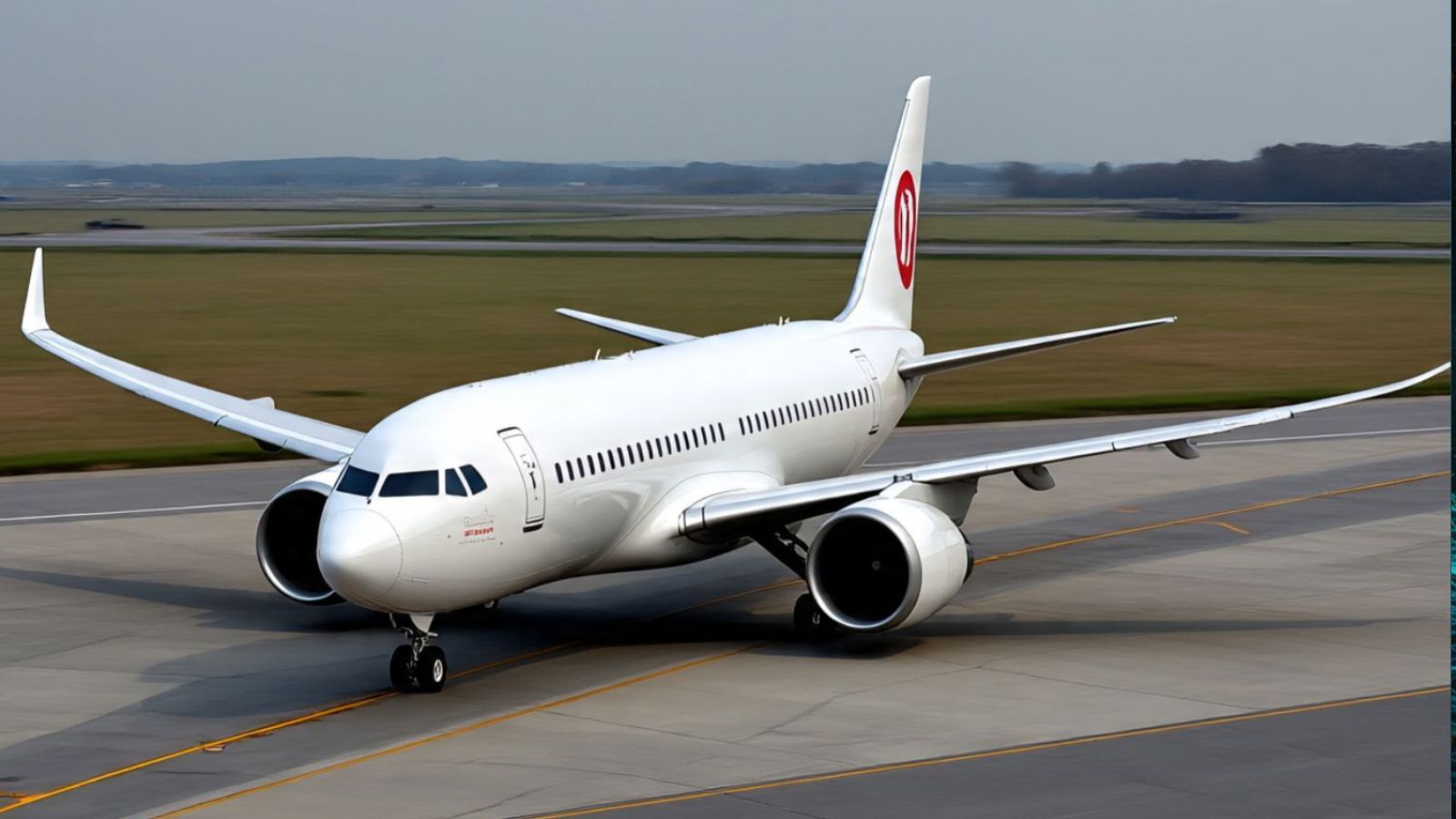
When an aircraft diverts mid-flight, the choice of an alternate airport is far from random. It’s a complex decision based on safety, infrastructure, maintenance, logistics, and customer care. The recent diversion of Delta Flight DL275 to Los Angeles International Airport (LAX) is a textbook example of how airlines make these high-stakes decisions to ensure both passenger safety and operational efficiency.
This article explores why LAX was the optimal choice for DL275’s diversion—delving into the maintenance capabilities, hub operations, and logistical advantages that made it the safest and most strategic decision.
1. The Context: Why Diversions Happen
A flight diversion occurs when an aircraft cannot continue to its planned destination due to technical issues, medical emergencies, weather conditions, or operational constraints. For long-haul routes—such as trans-Pacific flights operated by Delta’s Airbus A350 fleet—the diversion plan must account for airports that can handle large widebody aircraft, offer necessary maintenance resources, and provide sufficient passenger services.
In the case of DL275, industry reporting confirmed that the flight safely diverted and landed at LAX, a move that demonstrates Delta’s commitment to passenger safety and operational excellence.
2. Maintenance and OEM Support: LAX’s Technical Edge
One of the foremost factors in selecting a diversion airport is technical support—including maintenance, repair, and overhaul (MRO) facilities, and access to Original Equipment Manufacturer (OEM) resources.
LAX stands out in this regard. It is fully equipped to handle Airbus A350 aircraft, offering specialized tooling, spares logistics, and on-call support from OEM and MRO partners. This makes it ideal for evaluating and addressing any aircraft issues that may arise in-flight.
Delta Air Lines also benefits from having its own TechOps division, one of the largest airline MRO organizations in North America. TechOps is a Rolls-Royce partner for the Trent engine family, which powers the A350, ensuring that Delta has direct access to engineering expertise and spare parts when needed.
By diverting to LAX, Delta leveraged this strong maintenance network to rapidly conduct inspections, coordinate technical support, and minimize aircraft downtime—all critical to maintaining schedule reliability and passenger confidence.
3. Hub Operations: Passenger Recovery and Support
Beyond technical considerations, Delta’s operational footprint at LAX played a major role in the diversion decision. The airline publicly designates Los Angeles as one of its major coastal hubs, featuring over 150 peak-day departures and modernized facilities across Terminals 2 and 3.
These terminals have recently undergone extensive upgrades, offering streamlined passenger flows, enhanced lounges, and greater capacity for international processing. For a widebody flight carrying hundreds of long-haul passengers, this infrastructure is invaluable.
At LAX, Delta’s customer-care teams can handle large-scale disruptions efficiently—arranging rebookings, customs clearances, hotel accommodations, and lounge access. The ability to process passengers quickly and comfortably minimizes the stress of an unscheduled stop and ensures that travelers remain informed and cared for.
In essence, LAX’s scale and Delta’s strong operational presence there allowed for a smooth transition from an unexpected diversion to a managed recovery process—turning a potential crisis into a controlled, safe outcome.
4. Runways and Gates: LAX’s Capability for Widebody Operations
Aircraft type plays a major role in determining diversion options. The Airbus A350, a next-generation long-haul aircraft, requires a substantial runway length for safe landing, especially when carrying extra fuel for extended transoceanic routes.
LAX is uniquely suited for this scenario, boasting four long runways capable of accommodating the largest widebody jets in the world. Additionally, it offers numerous widebody-capable gates that can handle the A350’s size and ground-service needs.
Smaller airports along the Pacific coast may appear geographically closer but often lack the infrastructure or available gates for an efficient turnaround. LAX’s combination of runway length, gate availability, and ground-handling resources provides an unmatched operational advantage.
This explains why LAX frequently serves as the preferred diversion airport for trans-Pacific flights—it combines accessibility with readiness, ensuring both safety and speed in crisis management.
5. Operational Efficiency: Why LAX Beats “Closer” Options
At first glance, one might wonder why Delta Flight DL275 didn’t divert to a smaller West Coast airport, such as Seattle, Portland, or San Francisco. The answer lies in operational scale and efficiency.
While these airports can technically handle widebody aircraft, they often lack the comprehensive engineering and passenger support resources required for a seamless recovery. LAX, by contrast, allows for rapid engineering evaluation, easy access to Delta’s TechOps support, and large-scale passenger re-accommodation.
In other words, LAX minimizes both technical downtime and customer disruption—two critical factors for a global airline like Delta. Choosing LAX wasn’t just about geography; it was about choosing the most operationally intelligent solution.
6. Safety and Coordination: The Core of Delta’s Decision-Making
Every airline diversion is, at its heart, a safety-first decision. Delta’s global operations team, in coordination with pilots, maintenance control, and air traffic authorities, evaluates real-time data before deciding where to divert.
Once the choice is made, coordination moves into high gear: ground handlers, maintenance crews, and customer-service agents at LAX prepare to receive the aircraft. In the case of DL275, this coordination ensured a smooth landing, swift passenger disembarkation, and effective follow-up inspections—all key hallmarks of Delta’s safety culture.
It’s this seamless collaboration across departments that reinforces Delta’s reputation as one of the world’s most reliable airlines.
7. Industry Insights: LAX as a Strategic Diversion Hub
The aviation industry widely recognizes LAX’s strategic importance for trans-Pacific operations. Situated along major flight corridors between Asia and North America, LAX serves as a logical diversion point for long-haul flights encountering mid-route issues.
Its combination of runway infrastructure, technical capacity, and passenger services makes it a preferred choice not just for Delta, but for several global carriers operating large twinjets like the A350, Boeing 777, and 787.
Industry reporting on DL275’s diversion specifically noted the successful turnaround and safe arrival at LAX—a testament to how proper planning and coordination can turn potential disruption into a model of professional response.
Conclusion
The diversion of Delta Flight DL275 to LAX showcases the depth of planning, coordination, and foresight that underpins modern aviation operations. Every element—from maintenance and OEM support to passenger care and runway infrastructure—played a vital role in ensuring a safe and efficient outcome.
