

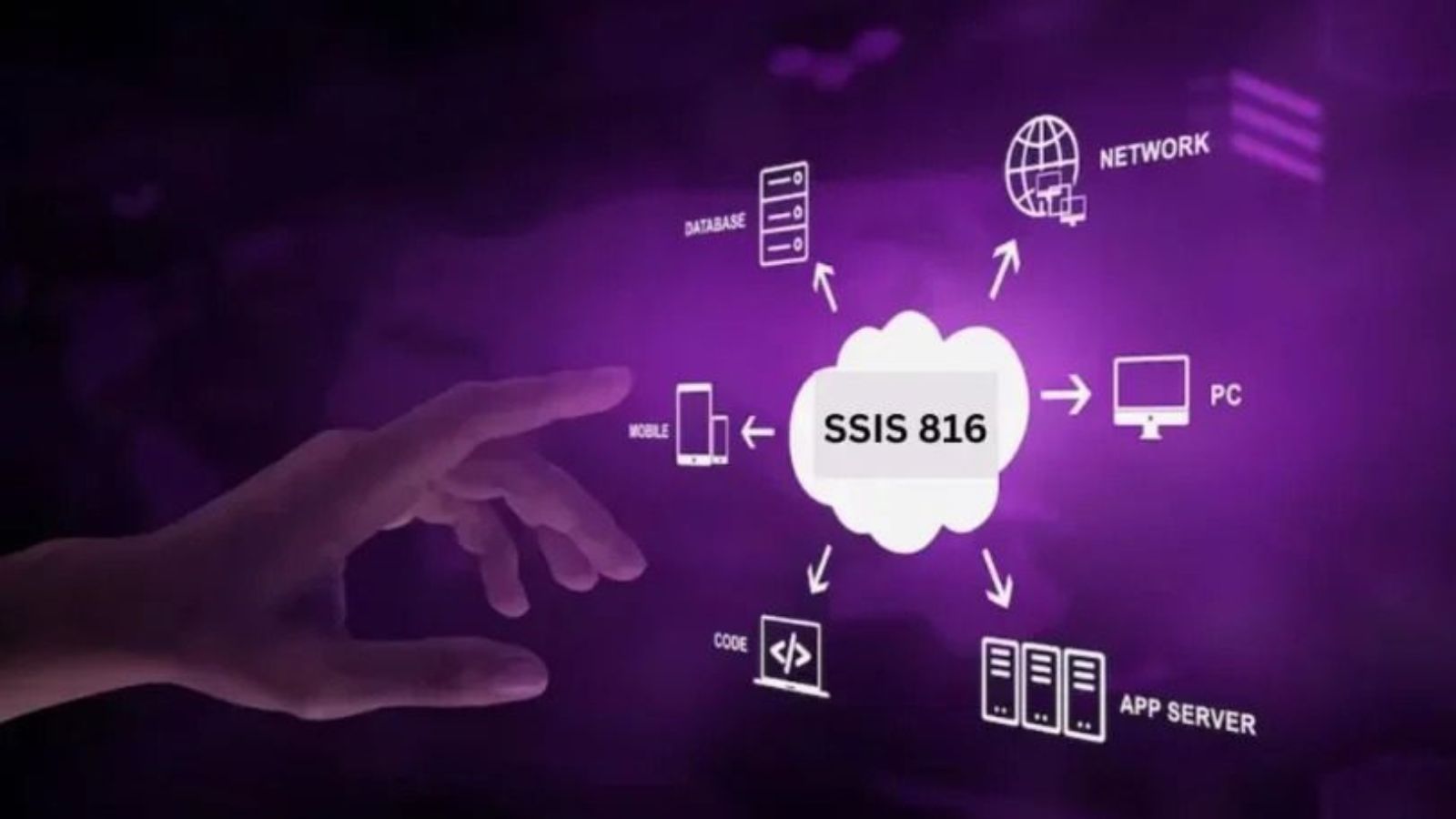
In the modern data-driven landscape, organizations rely heavily on accurate, timely, and well-structured data to drive decision-making, optimize operations, and gain competitive advantage. Managing data efficiently requires robust tools that can transfer, cleanse, and structure data across multiple sources. SSIS 816, the latest iteration of SQL Server Integration Services, is designed to meet these needs with enhanced capabilities, improved performance, and advanced integration features.
This article provides an in-depth exploration of SSIS 816, including its key features, benefits, real-world applications, and why it is a critical tool for modern enterprises.
What Is SSIS 816?
SSIS 816 is the newest version of SQL Server Integration Services (SSIS), a powerful platform for data integration and workflow applications. SSIS has long been recognized as an industry standard for extracting, transforming, and loading (ETL) data from various sources to destinations such as data warehouses, databases, and cloud platforms.
The 816 version builds upon previous releases by introducing performance enhancements, improved compatibility with modern data environments, and new tools for data cleansing, transformation, and automation.
Core Features of SSIS 816
Data Extraction and Integration
One of the primary functions of SSIS 816 is data extraction from diverse sources, including SQL databases, Excel files, CSV files, cloud storage, and third-party applications. Its connectivity capabilities allow organizations to unify data from disparate systems into a centralized location for analysis and reporting.
Advanced Data Transformation
Data transformation is essential for turning raw information into meaningful insights. SSIS 816 provides advanced transformation tools that allow developers to clean, normalize, and restructure data efficiently. Common transformations include:
- Data type conversion
- Aggregation and summarization
- Filtering and sorting
- Lookup and merge operations
- Conditional splitting based on business rules
These transformations help ensure that data is accurate, consistent, and ready for analytics.
Data Cleansing and Validation
SSIS 816 enhances data quality management by offering robust cleansing and validation tools. It can detect duplicates, correct formatting issues, and identify inconsistencies across datasets. Maintaining high-quality data is crucial for reliable reporting and decision-making.
Workflow Automation
Beyond ETL operations, SSIS 816 enables workflow automation by allowing tasks to be scheduled, executed, and monitored systematically. Automated workflows reduce manual effort, minimize errors, and ensure that data pipelines operate reliably and efficiently.
Real-Time and Batch Processing
SSIS 816 supports both batch processing for large datasets and real-time processing for time-sensitive data integration tasks. This flexibility allows organizations to balance efficiency with responsiveness depending on their operational requirements.
Cloud Integration
With the increasing adoption of cloud technologies, SSIS 816 offers seamless integration with cloud platforms such as Azure SQL Database, Amazon Redshift, and other cloud-based data sources. This capability ensures that enterprises can leverage hybrid and cloud infrastructures for scalable data management.
Enhanced Performance
SSIS 816 includes optimizations that improve data throughput and execution speed. Enhanced memory management, parallel processing, and improved connection handling make it suitable for high-volume data environments without compromising performance.
Benefits of SSIS 816
Streamlined Data Management
By consolidating data extraction, transformation, and loading into a single platform, SSIS 816 simplifies data management processes. Organizations can reduce the complexity associated with multiple tools and streamline operations efficiently.
Improved Data Quality
The built-in data cleansing and validation capabilities ensure that only accurate, consistent, and usable data enters the system. High-quality data leads to more reliable analytics, reporting, and business insights.
Increased Productivity
Workflow automation and scheduling features allow teams to focus on strategic tasks rather than repetitive manual processes. This leads to enhanced productivity and operational efficiency.
Scalability
SSIS 816 is designed to handle growing volumes of data across multiple sources and destinations. Its support for parallel processing and cloud integration makes it scalable to meet the needs of enterprises of all sizes.
Flexibility Across Industries
SSIS 816 is versatile and applicable across industries, including finance, healthcare, retail, manufacturing, and logistics. Any organization that relies on data for decision-making can leverage SSIS 816 to improve accuracy, speed, and insights.
Real-World Applications
Financial Services
Financial institutions deal with vast amounts of transactional and market data daily. SSIS 816 allows them to integrate data from various sources, cleanse it for errors, and generate timely reports for compliance, risk management, and analytics.
Healthcare
Healthcare providers use SSIS 816 to consolidate patient records, billing data, and clinical information from multiple systems. This ensures accurate reporting, improved patient care, and regulatory compliance.
Retail
Retailers can leverage SSIS 816 to combine sales, inventory, and customer data. By transforming and analyzing this data, businesses gain insights into purchasing trends, inventory management, and customer behavior.
Manufacturing
Manufacturing firms use SSIS 816 to integrate data from supply chains, production lines, and quality control systems. This data integration supports process optimization, predictive maintenance, and efficiency improvements.
Integration with Business Intelligence
SSIS 816 is often used in conjunction with SQL Server Reporting Services (SSRS) and Power BI to provide a complete business intelligence (BI) solution. Data pipelines created with SSIS 816 feed clean, structured, and timely data to BI platforms, enabling real-time dashboards, predictive analytics, and strategic decision-making.
Ease of Use and Developer-Friendly Features
SSIS 816 continues the tradition of being developer-friendly with:
- Drag-and-drop visual interfaces for workflow creation
- Pre-built templates and components for common ETL tasks
- Custom scripting options for complex transformations
- Error handling and logging mechanisms for troubleshooting
These features make it accessible to both experienced developers and those new to ETL processes.
Security and Compliance
Data security is a critical concern for modern enterprises. SSIS 816 supports encryption, secure connections, and role-based access controls, ensuring that sensitive information is protected during transfer and storage. Compliance with industry regulations is facilitated by robust auditing and monitoring capabilities.
Conclusion
SSIS 816 represents the latest evolution of SQL Server Integration Services, providing organizations with a comprehensive, efficient, and scalable solution for data integration. Its advanced ETL capabilities, data cleansing and validation features, workflow automation, and cloud integration make it indispensable for modern enterprises.
