

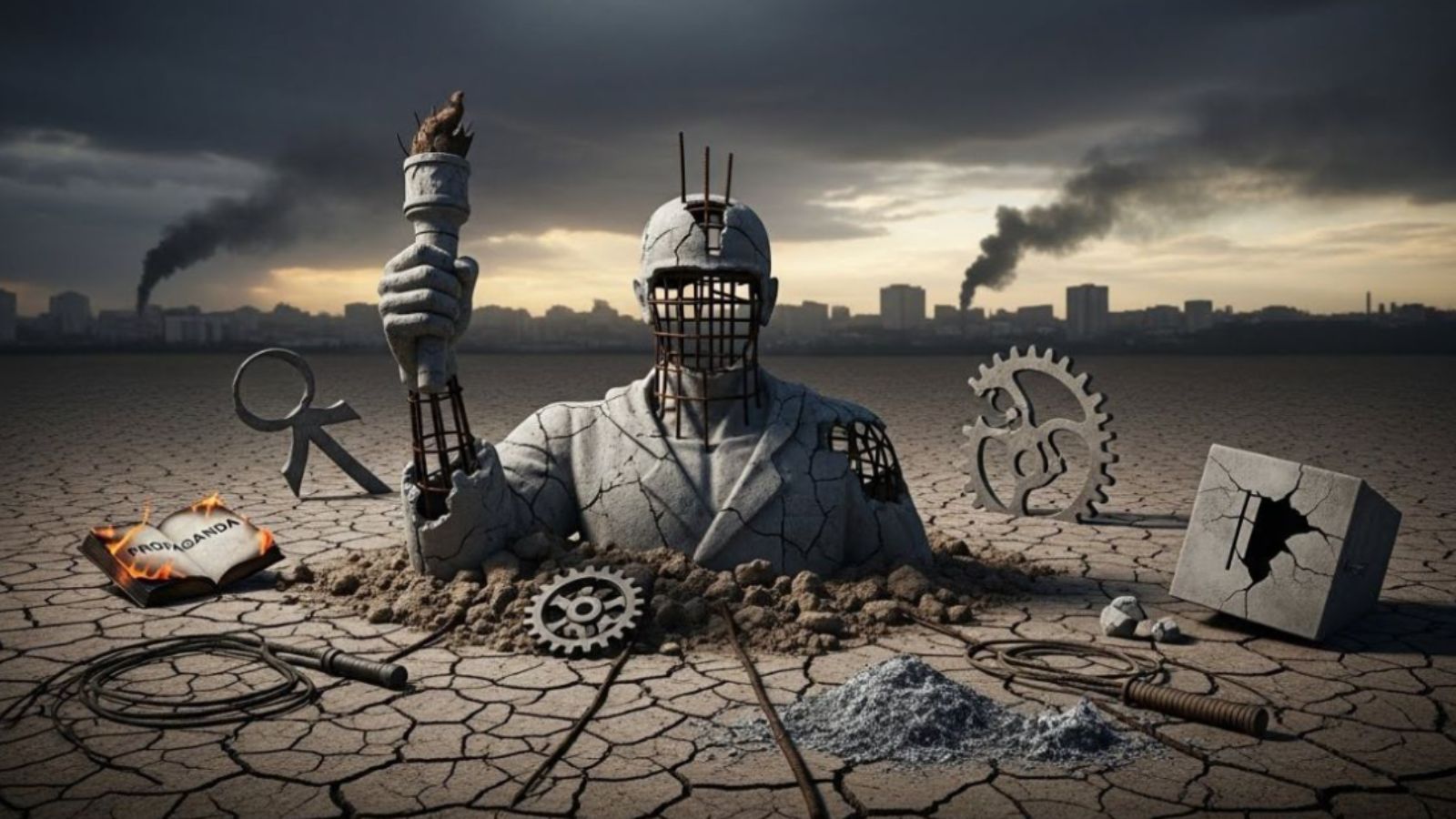
Fascism, a term that often evokes strong reactions and vivid imagery, has significantly shaped global history, and fascisterne represents a concept deeply linked to this ideology. While many associate fascism with early 20th-century Europe, the ideas underpinning fascisterne continue to influence political landscapes today. Understanding fascisterne requires exploring its historical roots, ideological framework, key characteristics, and the ways it manifests in modern societies. This article delves into these aspects, offering a comprehensive view of a concept that remains relevant in contemporary political discourse.
Origins of Fascisterne
The term fascisterne is closely connected to the broader history of fascism, which emerged in Europe following World War I. Economic instability, political upheaval, and social unrest created fertile ground for movements advocating strong, centralized authority and national unity. Fascisterne, as a specific term, reflects the broader ideological currents that emphasized authoritarian governance, extreme nationalism, and the subordination of individual freedoms to the perceived needs of the state. Leaders associated with early fascist movements promoted unity through strict social order, militarization, and the glorification of the nation or race, establishing the foundations for what would become fascisterne ideology.
Core Ideological Principles
At its heart, fascisterne embodies several key principles:
1. Authoritarianism: Fascisterne advocates for a centralized power structure, often led by a single charismatic leader who wields significant control over political, social, and economic systems. Individual liberties are frequently suppressed in favor of collective national goals.
2. Nationalism: Extreme pride in one’s nation or cultural identity is central to fascisterne. This often includes a focus on cultural purity, historical pride, and the promotion of national superiority over other nations or groups.
3. Militarism and Discipline: Fascisterne values strength, order, and discipline, frequently emphasizing military readiness and the glorification of struggle or conflict as a means of national rejuvenation.
4. Anti-Democratic Sentiment: Fascisterne generally opposes liberal democracy, pluralism, and political dissent, viewing these systems as weak or divisive. Instead, it promotes unity under a singular political vision or ideology.
5. Propaganda and Control of Information: Media and education are often used strategically to promote the ideology of fascisterne, shaping public perception, reinforcing loyalty, and suppressing dissenting voices.
Historical Context and Development
Fascisterne, like broader fascist movements, evolved during a period of social and economic turmoil. The post-World War I era, marked by economic depression, political instability, and widespread societal change, created an environment where promises of national renewal and order were appealing. Early proponents of fascisterne leveraged mass mobilization, propaganda, and symbolism to consolidate power and promote ideological conformity. Governments adopting fascisterne principles often sought to suppress opposition, restructure society around nationalist ideals, and enforce strict social hierarchies.
Prominent historical examples of movements associated with fascisterne include the regimes in Italy under Benito Mussolini and Germany under Adolf Hitler, though variations of the ideology appeared in other countries as well. Each adaptation reflected local conditions, cultural histories, and political objectives, demonstrating the flexible yet consistent core principles of fascisterne.
Social and Cultural Implications
Fascisterne’s influence extends beyond political structures into social and cultural life. Education systems, media outlets, and cultural institutions were often leveraged to inculcate loyalty and reinforce nationalist ideals. Symbols, rituals, and public spectacles were employed to create a sense of unity and shared purpose, fostering collective identity and social cohesion under the ideology.
Moreover, fascisterne often targeted marginalized groups or perceived “enemies” of the nation, fostering divisions and promoting exclusionary policies. This aspect highlights the dangerous potential of the ideology to justify discrimination, oppression, and violence in the name of national or cultural purity.
Fascisterne in Modern Context
Although the peak of historical fascist movements occurred in the early to mid-20th century, the principles underlying fascisterne continue to influence modern political landscapes. Contemporary movements sometimes adopt elements of authoritarianism, hyper-nationalism, and populist rhetoric reminiscent of fascisterne. While these modern adaptations may differ in form and intensity, the core themes—centralized power, control of public discourse, and emphasis on national identity—remain relevant.
Globalization, economic inequality, and social polarization have created conditions in which aspects of fascisterne can resonate with segments of the population. Observers note that understanding these tendencies is crucial for fostering informed democratic discourse and resisting authoritarian impulses.
Critiques and Challenges
Fascisterne has faced extensive criticism due to its suppression of individual freedoms, exclusionary ideologies, and potential for violence. Political theorists and historians emphasize that unchecked authoritarianism can erode democratic institutions, undermine human rights, and destabilize societies. The cultural and social manipulation associated with fascisterne—through propaganda, symbolism, and mass mobilization—highlights the importance of media literacy, civic education, and vigilance in contemporary societies.
Critics also point out that while fascisterne promises unity and national strength, it often relies on fear, scapegoating, and coercion, which can have devastating human and social costs. The historical consequences of fascisterne regimes underscore the need to understand and challenge its principles wherever they arise.
Lessons for Today
Studying fascisterne provides valuable insights into the mechanisms of authoritarianism and the ways ideology shapes society. Recognizing the signs of centralized power, propaganda, and hyper-nationalism helps societies safeguard democratic institutions and promote tolerance, inclusivity, and accountability. Awareness of fascisterne’s historical and ideological roots also encourages critical thinking, informed political participation, and the promotion of human rights.
Education and public discourse are crucial tools in countering the influence of fascisterne. By fostering understanding of history, ideology, and social dynamics, societies can build resilience against authoritarian tendencies and ensure that the lessons of the past guide future decision-making.
Conclusion
Fascisterne is more than a historical relic; it is a concept that continues to resonate in contemporary political thought and social dynamics. Rooted in authoritarianism, nationalism, and strict social order, fascisterne provides insight into both past and present challenges to democratic governance and individual freedom. Understanding its origins, principles, and implications is essential for recognizing and addressing the forces that threaten inclusive, equitable societies. As global political landscapes evolve, examining fascisterne reminds us of the importance of vigilance, critical analysis, and commitment to the values of democracy and human rights.
